Batman
Only one will claim the night
- Rating
Movie Details
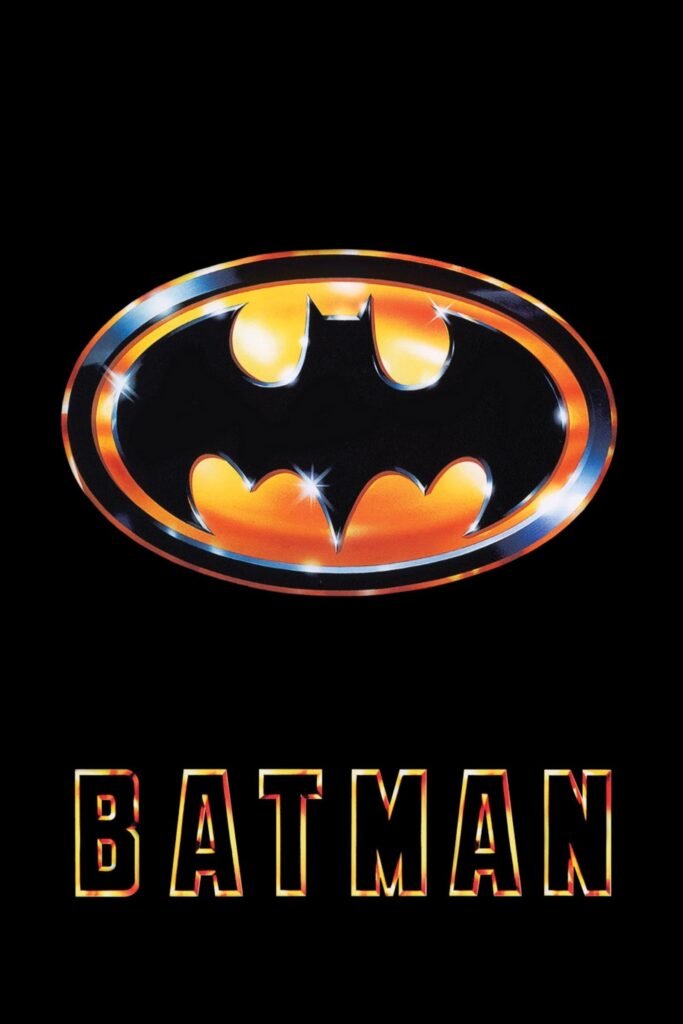
When Batman was released in 1989 under the direction of Tim Burton, it marked a turning point for comic book adaptations. At a time when audiences still associated superhero films largely with the optimistic tone of Superman, Burton introduced something far darker, moodier, and stylistically daring. While Superman embodied hope and bright idealism, Batman explored fear, chaos, and moral ambiguity, reshaping expectations for what a superhero film could be.
A Darker Turn in Superhero Storytelling
From its opening moments, Batman establishes a world unlike anything seen in earlier superhero films. Gotham City is depicted not as a typical urban backdrop but as a towering, gothic nightmare filled with shadows and corruption. This stark contrast to the brighter, more hopeful aesthetic associated with Superman immediately signals a shift in tone.
Moreover, Tim Burton’s interpretation leans heavily into atmosphere rather than realism. The film does not attempt to ground its story in everyday believability; instead, it embraces a stylized, almost dreamlike approach. As a result, Gotham becomes a character in itself—oppressive, mysterious, and visually unforgettable.
Michael Keaton’s Unconventional Batman
One of the most controversial casting decisions at the time was Michael Keaton as Bruce Wayne. Known primarily for comedic roles, Keaton initially faced skepticism from fans who expected a more traditional action hero. However, his performance ultimately proved to be one of the film’s greatest strengths.
Keaton’s Bruce Wayne is introspective, haunted, and deeply private. Unlike the openly heroic persona of Superman, this version of Batman operates in emotional isolation. Furthermore, Keaton’s restrained performance allows the character’s internal conflict to take center stage, reinforcing the film’s darker psychological tone.
Jack Nicholson’s Iconic Joker
Equally important to the film’s success is Jack Nicholson’s portrayal of the Joker. His performance is theatrical, unpredictable, and at times unsettling, perfectly capturing the character’s chaotic nature. Nicholson’s Joker is not merely a villain; he is an embodiment of anarchy and spectacle.
In addition, the dynamic between Batman and the Joker elevates the film beyond a simple hero-versus-villain narrative. Their relationship becomes symbolic of order versus chaos, structure versus madness. This thematic depth distinguishes Batman from earlier superhero films, including Superman, which tended to focus more on clear moral divisions.
Tim Burton’s Visual Identity
A defining feature of Batman is its unmistakable visual style. Burton blends German Expressionist influences with modern production design to create a world that feels both timeless and surreal. Sharp angles, exaggerated architecture, and deep shadows dominate nearly every frame.
Furthermore, this stylistic choice reinforces the film’s emotional tone. Gotham is not just dark in lighting—it is dark in spirit. Compared to the bright skies and open landscapes often associated with Superman, Burton’s Gotham feels enclosed and oppressive, reflecting the psychological weight carried by its characters.
Danny Elfman’s Atmospheric Score
Another essential element of the film is Danny Elfman’s musical score. From the opening theme, the music establishes a sense of grandeur and unease. The score blends heroic motifs with gothic undertones, perfectly matching the dual nature of Batman himself.
Additionally, Elfman’s composition plays a crucial role in differentiating Batman from earlier superhero films. While Superman is often remembered for its uplifting and triumphant orchestral theme, Batman leans into mystery and tension, reinforcing its darker identity.
Redefining the Superhero Genre
Perhaps the most significant impact of Batman lies in how it redefined the superhero genre. Prior to its release, many audiences still associated superhero films with the optimistic tone of Superman. However, Burton’s vision demonstrated that these stories could also explore psychological complexity, moral ambiguity, and darker emotional landscapes.
Moreover, the commercial success of Batman proved that audiences were ready for more mature interpretations of comic book characters. This paved the way for future adaptations that embraced varied tones, from gritty realism to stylized fantasy.
A Cultural and Cinematic Shift
Following its release, Batman became a global phenomenon. Its influence extended far beyond cinema, shaping merchandise, animation, and even fashion trends. The film’s success also helped establish superhero films as major blockbuster events rather than niche productions.
In addition, Batman demonstrated that comic book characters could evolve with changing cultural expectations. While Superman represented timeless optimism, Batman reflected a growing appetite for complexity and darker storytelling in mainstream entertainment.
Legacy of a Groundbreaking Film
Over three decades later, Batman (1989) remains a cornerstone of superhero cinema. Its influence can be seen in countless films that followed, many of which adopted its darker tone and stylistic boldness. Without Burton’s vision, the modern superhero genre might have developed very differently.
Furthermore, the film continues to be celebrated for its artistic ambition. Rather than simply adapting a comic book, it reimagined what a superhero film could be, blending genre filmmaking with auteur-driven storytelling.
Final Reflection
In the end, Batman (1989) stands as a bold and transformative work that reshaped the landscape of superhero cinema. By moving away from the hopeful brightness associated with Superman and embracing a darker, more atmospheric vision, Tim Burton created a film that was both distinctive and influential.
Ultimately, its legacy lies in its willingness to challenge expectations. Batman did not seek to replicate what had come before—it sought to redefine it.