Flash Gordon
Pathetic earthlings...who can save you now?
- Rating
Movie Details
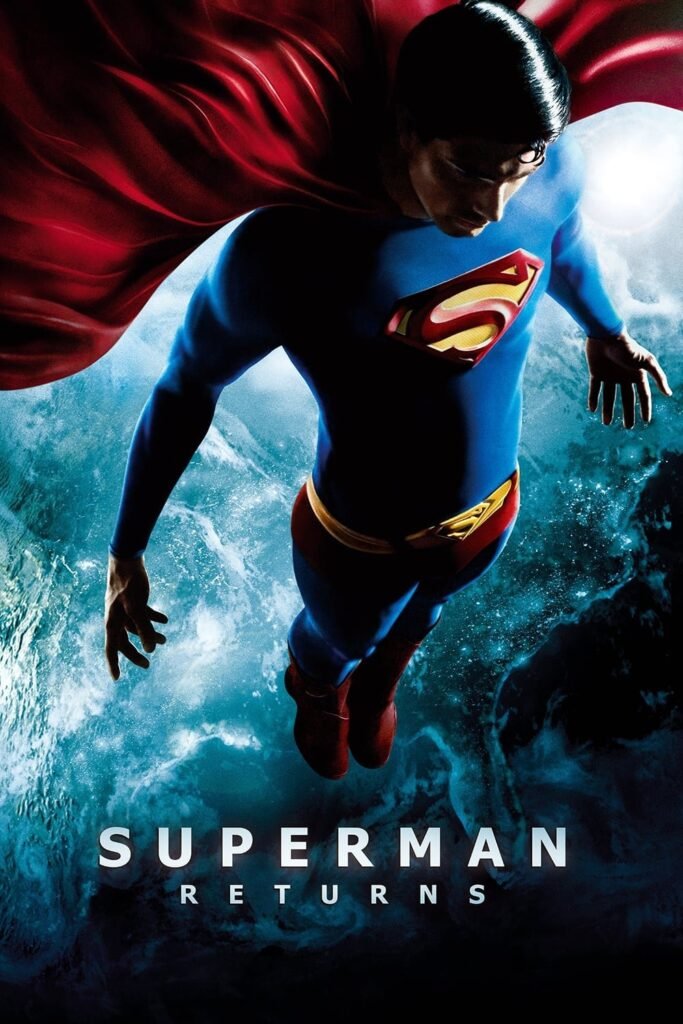
When discussing iconic comic book adaptations, Superman often dominates the conversation. However, Flash Gordon (1980), directed by Mike Hodges, carved out its own unforgettable place in cinematic history. Released just two years after Superman (1978), this film took a radically different approach—embracing bold visuals, campy performances, and a rock-infused soundtrack. As a result, it became a cult classic that continues to captivate audiences decades later.
A Unique Take on a Classic Comic Strip
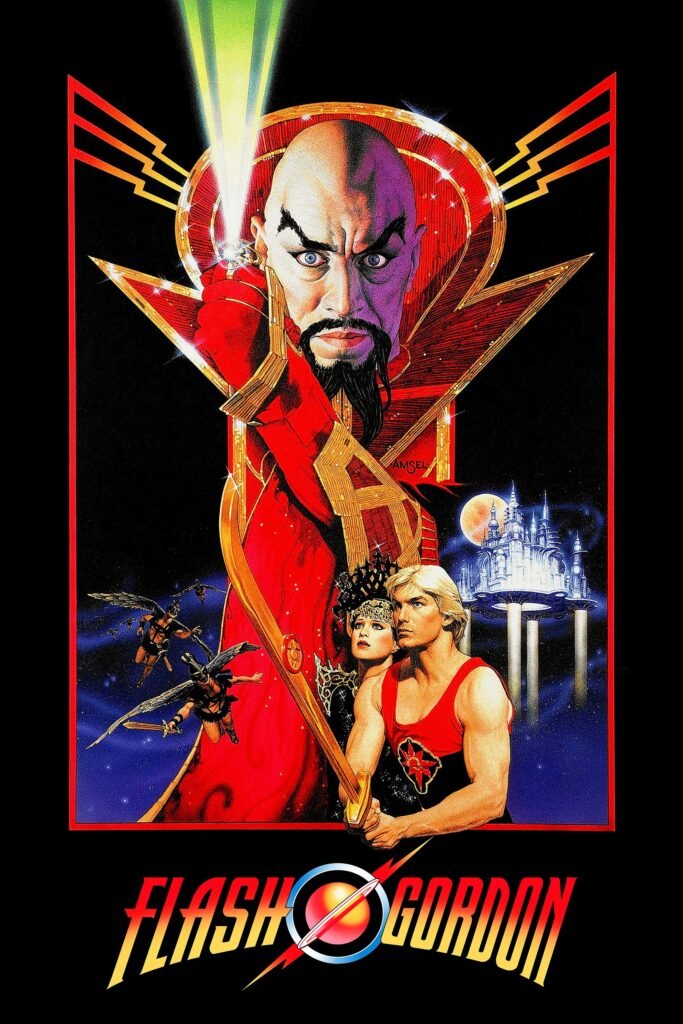
Originally based on the 1930s comic strip hero, Flash Gordon follows the story of a football player who is unexpectedly thrust into an intergalactic conflict. Alongside Dale Arden and Dr. Hans Zarkov, Flash travels to the planet Mongo, where he must confront the tyrannical Emperor Ming the Merciless.
Unlike the grounded and earnest tone of Superman, Flash Gordon fully embraces its pulp origins. From the very beginning, the film leans into its fantastical premise with unapologetic enthusiasm. Consequently, viewers are treated to a spectacle that prioritizes style and imagination over realism.
Visual Style: Bold, Bright, and Unforgettable
One of the most striking aspects of Flash Gordon is its visual design. The film is a kaleidoscope of vivid colors, elaborate costumes, and theatrical set pieces. Every frame feels carefully crafted to resemble a living comic book panel.
Moreover, the production design intentionally avoids subtlety. Instead, it opts for exaggerated aesthetics that heighten the film’s sense of adventure. This artistic choice sets Flash Gordon apart from Superman, which aimed for a more believable world. While both approaches have their merits, Flash Gordon stands out for its fearless commitment to visual flair.
Memorable Performances and Characters
At the center of the film is Sam J. Jones as Flash Gordon. His portrayal captures the character’s heroic spirit, albeit with a simplicity that aligns with the film’s tone. Meanwhile, Max von Sydow delivers a commanding performance as Ming the Merciless, creating a villain who is both menacing and theatrical.
In addition, the supporting cast adds depth and variety to the story. Ornella Muti’s Princess Aura and Timothy Dalton’s Prince Barin bring intrigue and charisma, enhancing the film’s dynamic. These performances, while sometimes exaggerated, perfectly match the film’s stylized world.
Queen’s Iconic Soundtrack
Perhaps no element of Flash Gordon is more iconic than its soundtrack, composed by the legendary rock band Queen. From the opening theme to the climactic battle sequences, the music infuses the film with energy and excitement.
Furthermore, the soundtrack plays a crucial role in defining the film’s identity. While Superman relied on a traditional orchestral score to evoke heroism, Flash Gordon took a bold risk with its rock-driven sound. This decision not only set the film apart but also contributed to its lasting appeal.
Camp and Charm: A Deliberate Choice
It is important to recognize that Flash Gordon is intentionally campy. Rather than striving for realism or emotional depth, the film embraces humor, exaggeration, and playful storytelling. This approach may not resonate with everyone, but it has earned the film a dedicated fanbase.
Additionally, the campy tone allows Flash Gordon to maintain a sense of fun that is often missing from more serious adaptations. While Superman inspires with its sincerity, Flash Gordon entertains through its exuberance. Together, these films demonstrate the versatility of comic book storytelling.
Comparing Two Eras of Heroism
Although Flash Gordon and Superman were released within a short time of each other, they represent two distinct interpretations of the superhero genre. Superman set the standard for emotional storytelling and realism, while Flash Gordon explored the genre’s more whimsical side.
This contrast highlights an important point: there is no single way to adapt a comic book hero. Both films succeeded in their own ways, appealing to different audiences and tastes. As a result, they collectively expanded the possibilities of what superhero and sci-fi films could achieve.
A Cult Legacy That Endures
Over time, Flash Gordon has transitioned from a modest box office performer to a beloved cult classic. Its influence can be seen in various aspects of pop culture, from music videos to modern sci-fi films.
Moreover, the film’s unique style continues to attract new viewers. In an era dominated by polished CGI and grounded narratives, Flash Gordon offers something refreshingly different. Its bold creativity and unapologetic camp make it a standout experience even today.
Final Thoughts
Flash Gordon (1980) remains a fascinating and entertaining entry in the world of comic book adaptations. While it may not share the same tone or legacy as Superman, it succeeds by fully embracing its own unique identity.
The film’s vibrant visuals, memorable performances, and iconic soundtrack continue to resonate with audiences. By daring to be bold, colorful, and unapologetically different, Flash Gordon proves that originality and creativity can leave a lasting impact on cinema history.