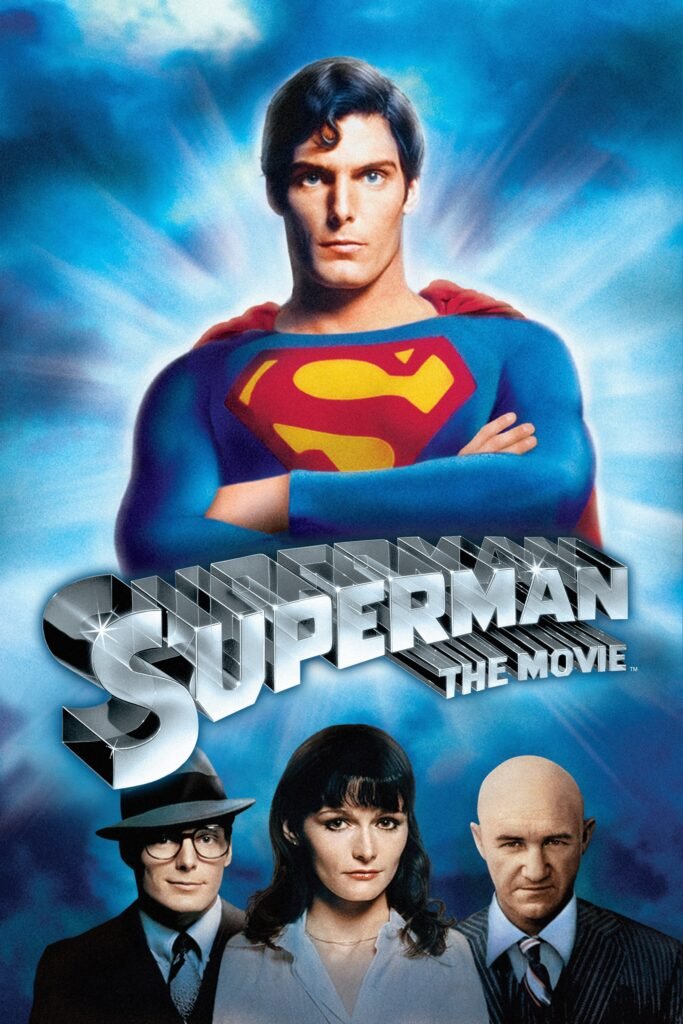
Superman
You'll believe a man can fly.
- Rating
Movie Details
Few films have left a lasting imprint on cinema quite like Superman (1978). From its iconic score to its groundbreaking visual effects, Superman didn’t just introduce audiences to a comic book hero—it set the standard for the modern superhero film. Directed by Richard Donner, the movie combined sincerity, spectacle, and emotional depth in a way that was unprecedented at the time. As a result, it became both a cultural milestone and a blueprint that filmmakers continue to follow decades later.
A Bold Vision for a Legendary Hero
At its core, Superman tells the origin story of Kal-El, the last son of Krypton, who is sent to Earth and raised as Clark Kent. While this premise may seem familiar today, Donner approached the material with a seriousness that elevated it beyond simple entertainment. Instead of leaning into camp or parody, the film treated its subject with respect, which allowed audiences to connect emotionally with the character.
Moreover, Donner’s now-famous directive—“verisimilitude,” or the appearance of truth—guided every creative decision. This commitment to realism, even within a fantastical narrative, helped Superman resonate deeply. Consequently, viewers were not just watching a superhero movie; they were experiencing a story about identity, responsibility, and hope.
Christopher Reeve: The Perfect Superman
One of the film’s greatest strengths lies in its casting, particularly that of Christopher Reeve as Superman. At the time, Reeve was relatively unknown, yet his performance became definitive. He managed to portray both the confident, heroic Superman and the awkward, endearing Clark Kent with remarkable distinction.
In addition, Reeve brought a sense of humanity to the role that made the character relatable. His Superman was not just powerful—he was compassionate and morally grounded. This duality played a crucial role in the film’s success, as it allowed audiences to see themselves in the character despite his extraordinary abilities.
A Stellar Supporting Cast
While Reeve carried the film, he was supported by an exceptional cast. Marlon Brando appeared as Jor-El, Superman’s father, bringing gravitas to the film’s opening scenes on Krypton. Meanwhile, Gene Hackman’s portrayal of Lex Luthor added both menace and humor, creating a villain who was as entertaining as he was threatening.
Equally important was Margot Kidder as Lois Lane. Her performance captured the determination and wit of the iconic journalist, providing a strong counterpart to Clark Kent. Together, the cast created a dynamic ensemble that enriched the story and kept audiences engaged from beginning to end.
Groundbreaking Visual Effects
At the time of its release, Superman pushed the boundaries of what was technically possible in filmmaking. The visual effects team faced the daunting challenge of making audiences believe that a man could fly—and remarkably, they succeeded.
Through a combination of practical effects, innovative camera techniques, and optical compositing, the film delivered convincing flight sequences that had never been seen before. These achievements not only enhanced the film’s realism but also paved the way for future advancements in special effects. As a result, Superman became a landmark in cinematic technology.
John Williams’ Iconic Score
Another defining element of Superman is its unforgettable musical score, composed by John Williams. From the very first notes, the music establishes a sense of grandeur and heroism that perfectly complements the film’s tone.
Furthermore, Williams’ score plays a crucial role in shaping the audience’s emotional experience. Whether it’s the triumphant main theme or the more intimate moments between characters, the music enhances every scene. Even today, the score remains one of the most recognizable in film history, underscoring the lasting impact of Superman.
Themes That Still Resonate
Beyond its technical achievements and performances, Superman endures because of its timeless themes. The film explores questions of identity, belonging, and moral responsibility—issues that remain relevant across generations.
For instance, Clark Kent’s struggle to reconcile his dual identity mirrors the universal challenge of finding one’s place in the world. Similarly, Superman’s commitment to truth and justice serves as a powerful reminder of the values that define heroism. These themes give the film a depth that extends far beyond its genre.
A Lasting Legacy
It is impossible to discuss the history of superhero films without acknowledging the influence of Superman. Before its release, comic book adaptations were often viewed as light entertainment. However, Donner’s film demonstrated that these stories could be both commercially successful and critically respected.
In the years that followed, Superman inspired countless films, from direct sequels to entirely new franchises. More importantly, it established a framework for how superhero stories could be told—balancing action, character development, and emotional resonance.
Even today, modern blockbusters owe a debt to Superman. Its emphasis on authenticity, combined with its willingness to embrace the fantastical, continues to shape the genre.
Conclusion
In retrospect, Superman (1978) stands as a defining moment in cinematic history. Through its visionary direction, compelling performances, and groundbreaking effects, it transformed the superhero genre and set a standard that remains influential to this day.
Ultimately, what makes Superman truly special is not just its spectacle, but its heart. By presenting a hero who embodies hope, integrity, and compassion, the film continues to inspire audiences around the world. And in doing so, it reminds us why we fell in love with superheroes in the first place.