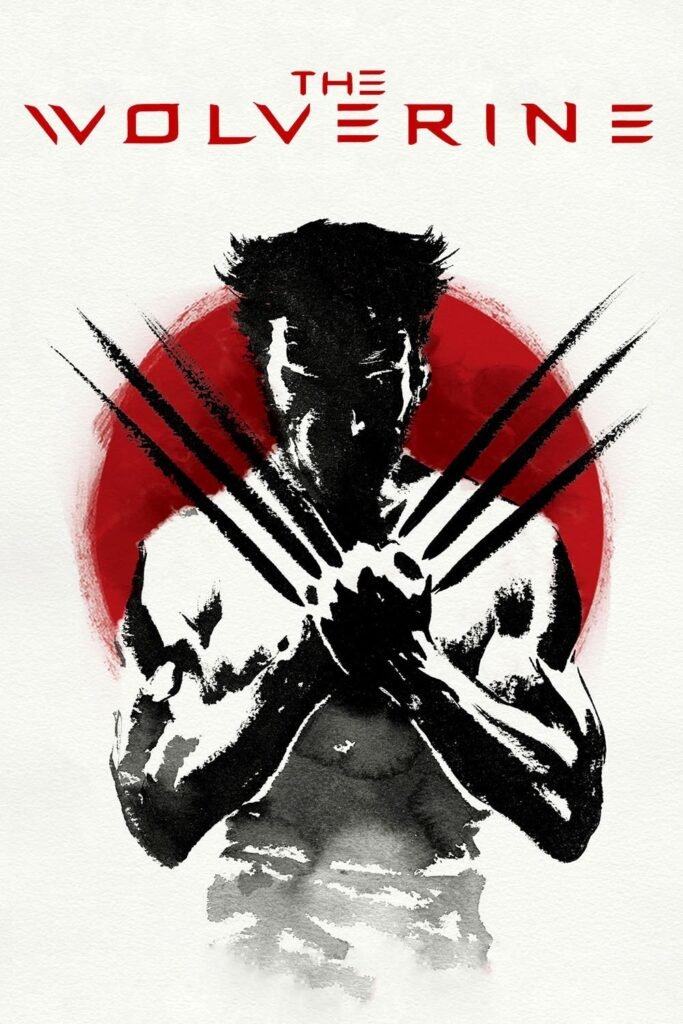
The Wolverine
When he's most vulnerable, he's most dangerous.
- Rating
Movie Details
Logan’s Struggle Begins
The Wolverine is a 2013 superhero film that takes a more grounded and emotional approach to one of the most iconic characters in comic book history. Directed by James Mangold, the movie focuses on Logan’s personal journey as he confronts his past, his immortality, and his inner demons.
From the beginning, The Wolverine presents Logan as a deeply isolated character. He is haunted by memories of loss and constantly struggles with the burden of living far longer than those around him. This emotional foundation sets the tone for the entire film, making it less about global threats and more about personal redemption.
Unlike many superhero stories, The Wolverine focuses heavily on internal conflict rather than large-scale destruction. Logan is not trying to save the world—he is trying to find peace within himself.
A Journey to Japan
A major turning point in The Wolverine takes place when Logan travels to Japan after being invited by an old acquaintance. This journey pulls him into a complex web of family conflicts, corporate power struggles, and ancient traditions.
In Japan, Logan finds himself surrounded by a culture that values honor, discipline, and restraint—qualities that sharply contrast with his own violent past. This environment forces him to confront how he has been living and whether he can ever truly escape his nature.
The focus keyword The Wolverine naturally reflects this transformation, as the story becomes a personal exploration of identity rather than just superhero action.
As Logan becomes involved with powerful figures in Japan, he discovers that he is no longer as invincible as he once believed. His healing abilities begin to fail him, making every fight more dangerous and every decision more meaningful.
Publisher and Marvel Universe Context
The Wolverine is part of the larger Marvel film universe, based on the popular X-Men character created in Marvel Comics. The film was produced under the 20th Century Fox banner, which handled the X-Men franchise during this era.
Unlike ensemble superhero films, this story focuses entirely on Logan, allowing for a more intimate exploration of his character. The events of the film are largely self-contained, though they still connect to his broader history within the X-Men storyline.
This standalone approach gives the movie a more personal tone, emphasizing character growth over universe-building.
Samurai Conflict and Emotional Stakes
One of the most unique aspects of The Wolverine is its integration of samurai culture and modern superhero storytelling. Logan becomes entangled in a conflict involving powerful Japanese families, each with their own ambitions and secrets.
These conflicts introduce a different type of combat style compared to traditional superhero battles. Sword fights, hand-to-hand combat, and tactical confrontations replace large-scale destruction, making every encounter feel more personal and intense.
The absence of his full healing ability raises the stakes significantly. For the first time, Logan must think strategically rather than rely purely on regeneration and brute strength.
This shift creates a more grounded experience, where survival depends on skill, awareness, and emotional control.
James Mangold’s Direction and Style
The direction by James Mangold gives The Wolverine a more serious and introspective tone compared to typical superhero films. The pacing is deliberate, allowing emotional moments to breathe while still delivering impactful action sequences.
Visually, the film emphasizes contrast—modern cityscapes blend with traditional Japanese architecture, reflecting Logan’s internal conflict between past and present.
Action scenes are choreographed with precision, often focusing on close combat rather than large-scale battles. This approach helps highlight Logan’s vulnerability and physical limitations throughout the story.
The tone remains consistent, balancing emotional depth with bursts of intense action.
Themes of Mortality and Redemption
One of the central themes in The Wolverine is mortality. Logan, who has lived far beyond normal human limits, is forced to confront the idea that even he may not be immortal. This realization deeply affects how he approaches every situation.
Another key theme is redemption. Logan’s past is filled with violence and loss, and throughout the film, he is given opportunities to redefine who he is. These moments challenge him to move beyond his instincts and make choices based on empathy rather than rage.
The film also explores isolation. Despite being surrounded by people, Logan often feels disconnected from humanity. His journey in Japan slowly pushes him toward understanding and emotional healing.
Action and Combat Evolution
The action in The Wolverine is more grounded and tactical compared to earlier portrayals of the character. Instead of relying on overwhelming power, fights often focus on precision, endurance, and vulnerability.
Sword duels play a major role in the film, especially during key confrontations. These battles are not just physical but also symbolic, representing clashes of ideology and honor.
Because Logan’s healing factor is weakened, every injury matters. This adds tension to each fight, making victories feel earned rather than guaranteed.
The combination of samurai-inspired combat and superhero abilities creates a unique blend that sets the film apart from other entries in the genre.
Impact and Character Evolution
The Wolverine marked an important shift in how the character was portrayed on screen. By focusing on emotional depth and personal struggle, the film added new layers to Logan’s identity.
It also paved the way for a more mature and grounded interpretation of the character in later films. This evolution helped redefine what superhero storytelling could look like when focused on individual character journeys.
Even years after its release, The Wolverine remains a standout entry due to its balance of action, emotion, and cultural storytelling.