Dark Phoenix
A Phoenix will rise. The X-Men will fall.
- Rating
Movie Details
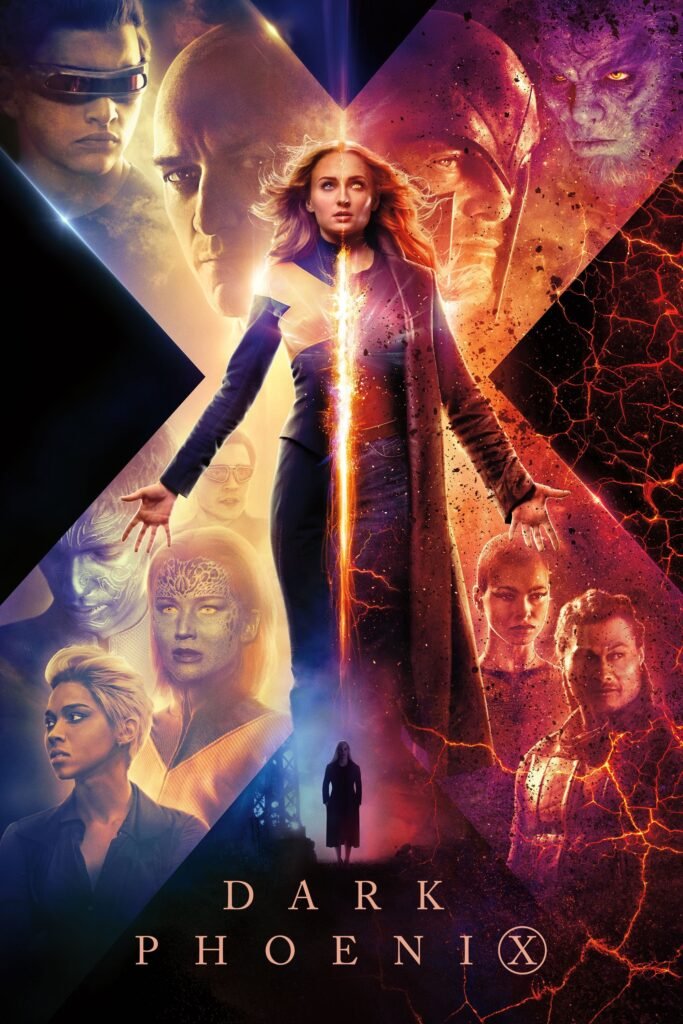
Released in 2019, Dark Phoenix arrived with enormous expectations and plenty of pressure. As one of the final chapters in the long-running X-Men film series, the movie attempted to adapt one of the most famous comic storylines ever created. Directed by Simon Kinberg, the film focuses heavily on Jean Grey’s emotional transformation while exploring themes of trauma, identity, and power.
Unlike many superhero blockbusters that prioritize nonstop spectacle, Dark Phoenix takes a more personal and character-driven approach. Instead of building toward world-ending destruction at every turn, the movie centers on the emotional instability of one character and how her choices affect those closest to her.
Simon Kinberg clearly aimed for a more intimate superhero story, and while the film received mixed reactions from audiences, there are several elements that make it an interesting entry within the X-Men franchise.
A Darker and More Emotional Tone
From the beginning, Dark Phoenix establishes a serious and emotional atmosphere. The movie opens by exploring Jean Grey’s traumatic childhood, giving viewers insight into the emotional pain that continues to shape her life years later.
Sophie Turner takes center stage as Jean, delivering a performance built around internal conflict and emotional isolation. Rather than portraying the character as purely heroic or villainous, the film presents her as someone struggling to control overwhelming power while dealing with deep psychological wounds.
That emotional focus helps separate Dark Phoenix from more traditional superhero stories. Simon Kinberg places greater emphasis on personal relationships and emotional consequences instead of constant action scenes. For some viewers, this slower and more dramatic style may feel different from earlier X-Men films, but it also gives the movie a more grounded emotional core.
At the same time, the darker tone creates genuine tension throughout the story. As Jean becomes increasingly unstable, the relationships between the X-Men begin to fracture in believable ways.
Simon Kinberg’s Character-Focused Direction
As a longtime writer and producer connected to the X-Men franchise, Simon Kinberg clearly understands these characters and their emotional histories. With Dark Phoenix, he attempts to create a more intimate film centered on trust, loyalty, and emotional pain rather than large-scale superhero spectacle.
One of the movie’s strengths is how it explores the complicated bond between Charles Xavier, Magneto, and Jean Grey. James McAvoy and Michael Fassbender once again deliver strong performances, bringing emotional weight to their scenes together.
Professor Xavier, in particular, faces difficult moral questions throughout the story. The film challenges some of his leadership decisions, adding emotional complexity that makes the character more human and flawed.
Meanwhile, Magneto’s quieter role still carries emotional presence. Fassbender continues to bring intensity and calm authority to the character, even in scenes with limited dialogue.
Simon Kinberg also keeps the pacing relatively focused. Unlike some previous X-Men films that introduced numerous side plots, Dark Phoenix stays centered on Jean’s transformation and its emotional impact on the team.
Sophie Turner Leads the Story
Sophie Turner had the difficult task of carrying a film centered almost entirely around emotional instability and internal conflict. While the script occasionally limits deeper character exploration, Turner still brings vulnerability and sadness to Jean Grey’s journey.
Her portrayal works best during quieter moments where Jean struggles with fear, anger, and confusion. Rather than turning the character into a simple unstoppable force, the movie emphasizes her emotional pain and desire for connection.
The supporting cast helps strengthen those emotional moments. Tye Sheridan’s Cyclops shows loyalty and emotional concern throughout the story, while Nicholas Hoult’s Beast experiences growing frustration and grief that add tension within the team.
Jennifer Lawrence also brings emotional realism to Mystique’s scenes, especially during moments involving the fractured relationships among the X-Men members.
Because the cast had already spent several films developing these characters, the emotional conflicts feel more believable and impactful.
Action and Visual Effects
Although Dark Phoenix focuses heavily on emotion and character drama, the movie still delivers several impressive action sequences. The powers of the X-Men are used creatively, especially during the film’s climactic train battle.
That sequence stands out as one of the movie’s strongest moments because it combines teamwork, tension, and visually exciting mutant abilities. Each character contributes in meaningful ways, allowing the scene to feel dynamic and energetic.
Simon Kinberg also avoids overwhelming the audience with nonstop CGI spectacle. Instead, the action scenes are spaced carefully throughout the story, giving emotional moments room to breathe between major confrontations.
Visually, Jean’s Phoenix powers are presented with striking energy effects that emphasize her growing instability and immense strength. The cosmic force surrounding her transformation adds a mysterious and dangerous atmosphere to the film.
While some visual effects sequences are stronger than others, the movie generally succeeds in creating an intense and dramatic tone.
Themes of Trauma and Identity
One of the more interesting aspects of Dark Phoenix is its exploration of emotional trauma. Jean’s struggle is not simply about controlling superpowers; it is also about confronting painful memories and hidden truths about her past.
Simon Kinberg uses the Phoenix storyline as a metaphor for emotional suppression and psychological conflict. Jean’s growing instability reflects years of buried pain and manipulation, giving the story deeper emotional themes beneath the superhero action.
The movie also examines how fear can damage relationships. As Jean becomes more dangerous, the X-Men struggle to decide whether they should help her, stop her, or fear her. That uncertainty creates emotional tension that drives much of the film.
Additionally, the story questions leadership and trust within the team itself. Characters begin challenging decisions they once accepted without hesitation, adding moral complexity to the narrative.
These emotional themes help Dark Phoenix feel more serious and introspective than many comic book films released during the same period.
Why Dark Phoenix Remains Interesting
Although Dark Phoenix divided audiences upon release, the film still offers several compelling elements for fans of character-focused superhero stories. Simon Kinberg attempted to tell a more emotional and personal X-Men story rather than relying entirely on large-scale destruction and nonstop spectacle.
The movie’s strongest moments come from its performances, emotional themes, and darker atmosphere. Sophie Turner, James McAvoy, and Michael Fassbender all bring emotional weight to the story, helping the film maintain tension even during quieter scenes.
While the movie may not fully reach the epic scale associated with the famous comic storyline, it still succeeds in exploring themes of identity, trauma, and emotional isolation in meaningful ways.
For longtime X-Men fans, Dark Phoenix serves as a more intimate and emotional farewell to a franchise that spent nearly two decades bringing mutant stories to the big screen.