Scott Pilgrim vs. the World
An epic of epic epicness.
- Rating
Movie Details
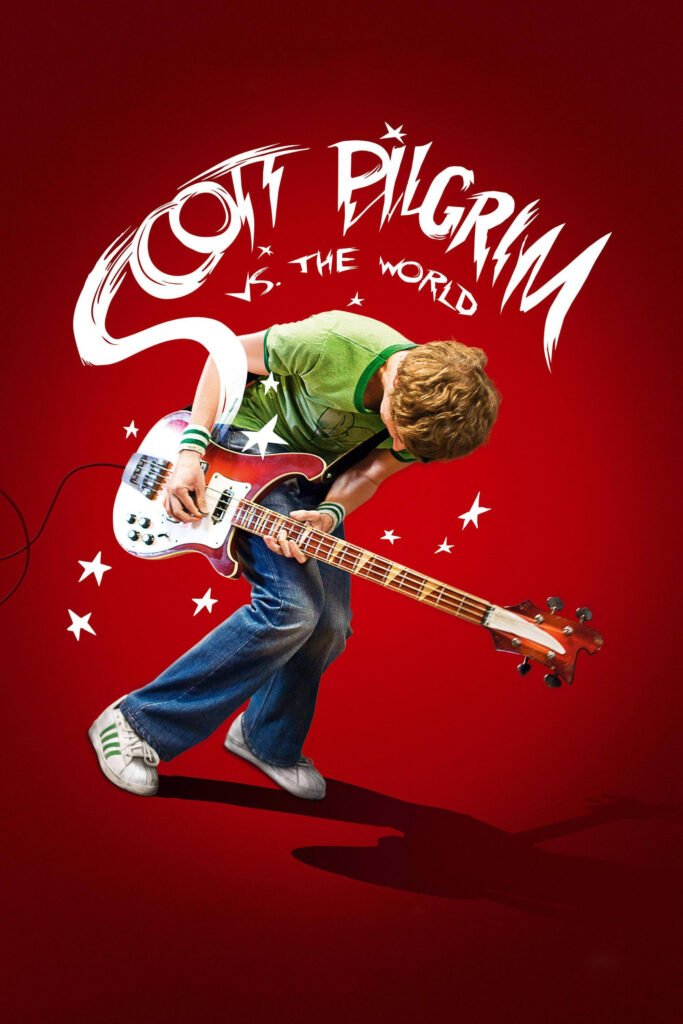
Scott Pilgrim vs. the World is a 2010 romantic action-comedy film directed by Edgar Wright, based on the graphic novel series by Bryan Lee O’Malley. Known for its highly stylized visuals, fast-paced editing, and video game-inspired storytelling, the film quickly became a cult favorite despite its modest initial box office performance.
From the opening moments, Scott Pilgrim vs. the World establishes itself as something completely different from traditional romantic comedies. It blends indie music culture, comic book aesthetics, and arcade-style action into a single cinematic experience that feels both nostalgic and innovative.
Story and Urban Indie Setting
The story follows Scott Pilgrim, a 22-year-old bassist living in Toronto who is drifting through life in a band called Sex Bob-Omb. Scott’s life takes a strange turn when he meets Ramona Flowers, a mysterious girl who becomes his romantic obsession.
However, dating Ramona comes with an unusual condition: Scott must defeat her seven evil exes in battle. Each ex represents a unique challenge, combining emotional baggage with exaggerated, video game-style combat sequences.
As Scott moves through these battles, the film explores themes of maturity, self-worth, and emotional growth. What begins as a quirky romantic pursuit slowly transforms into a journey of personal responsibility.
Direction and Edgar Wright’s Visual Style
Director Edgar Wright brings a highly distinctive visual language to Scott Pilgrim vs. the World. His signature rapid editing, whip pans, on-screen text effects, and visual sound cues create a dynamic, almost interactive viewing experience.
The film often mimics video game mechanics, showing score counters, combo attacks, and life bars during fight scenes. This creative approach reinforces the idea that Scott’s world is shaped by gaming culture and pop media influences.
Wright’s direction ensures that every scene feels energetic and purposeful, with transitions that keep the narrative moving at a fast, engaging pace.
Universe and Pop Culture Influence
While not part of Marvel or DC, Scott Pilgrim vs. the World exists in a stylized version of reality where everyday life is heavily influenced by video games, music, and comic books.
The universe operates on exaggerated logic—characters can perform impossible physical feats, battles resemble arcade fighting games, and emotional conflicts often manifest as literal combat.
This blend of realism and fantasy allows the film to explore relationships in a symbolic way, turning emotional baggage into physical enemies that must be confronted and overcome.
Gameplay-Inspired Action and Visual Identity
One of the most iconic aspects of Scott Pilgrim vs. the World is its integration of video game aesthetics. Fight scenes are structured like boss battles, complete with energy bars, special moves, and dramatic finishing attacks.
Each of Ramona’s exes represents a different “level,” introducing new combat styles and visual themes. From skateboard duels to musical battles and supernatural showdowns, every confrontation feels unique.
The film also uses retro-style sound effects, pixelated transitions, and comic-book-inspired visuals to reinforce its playful tone.
Characters and Emotional Development
At the center of the story is Scott Pilgrim himself, a flawed and often immature protagonist who must confront his own emotional shortcomings. His journey is not just about defeating Ramona’s exes, but about understanding his own behavior in relationships.
Ramona Flowers remains an enigmatic figure throughout the film, symbolizing emotional complexity and past baggage. Her character challenges Scott to grow beyond superficial attraction.
Supporting characters, including Scott’s bandmates and Ramona’s exes, each contribute to the emotional and comedic layers of the story. Even the antagonists are given personality and depth, making the conflicts feel more meaningful than simple battles.
Music, Rhythm, and Cultural Impact
Music plays a major role in shaping the identity of Scott Pilgrim vs. the World. The soundtrack blends indie rock, electronic influences, and original compositions that match the film’s energetic pacing.
Scott’s band, Sex Bob-Omb, represents the struggling indie music scene, adding another layer of realism to the otherwise fantastical world. The music is not just background—it actively shapes the rhythm and emotional tone of the film.
Over time, the film has become a cultural touchstone for fans of gaming, indie comics, and alternative cinema.
Release Context and Reception
Released in 2010, Scott Pilgrim vs. the World initially struggled at the box office but quickly gained a strong cult following. Audiences gradually recognized its originality, visual creativity, and unique storytelling style.
Critics praised its direction, editing, and visual innovation, even if its unconventional narrative structure made it less accessible to mainstream audiences at the time.
Today, it is widely regarded as one of the most influential pop culture films of its decade.
Legacy and Lasting Influence
The influence of Scott Pilgrim vs. the World can be seen in later films, TV shows, and games that adopt similar stylistic approaches. Its blending of gaming mechanics with real-world storytelling helped pave the way for more experimental visual narratives.
It remains a defining example of how cinema can merge multiple forms of media culture into a single cohesive experience.